Filtration Systems
Water Treatment Systems for Poultry Farms
11:59:27 AM . April 4, 2026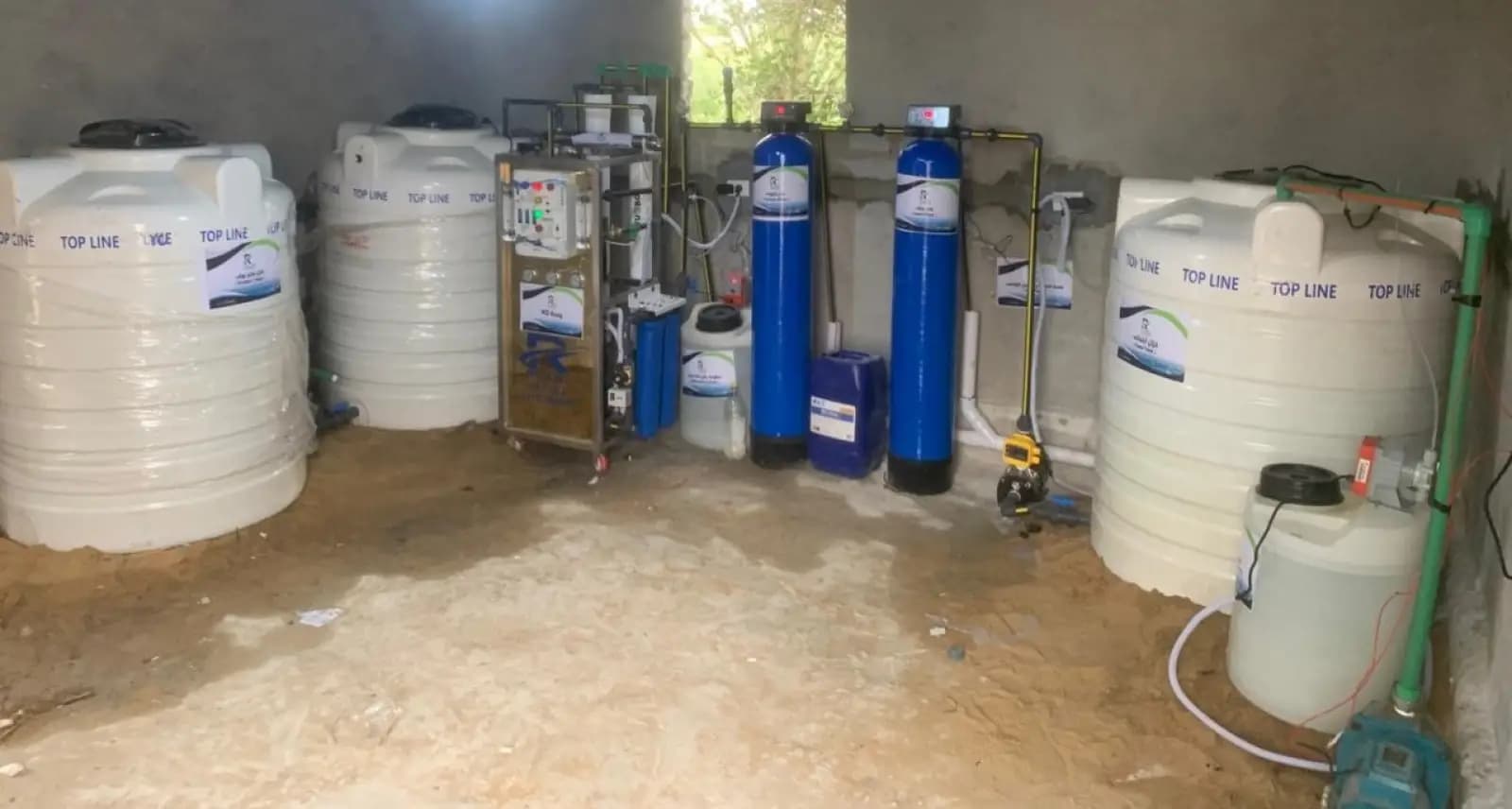
Water in poultry farms is far more than just drinking water—it is a critical factor that directly impacts bird health, growth performance, and overall farm profitability. Poor water quality can lead to excessive consumption, wet litter, reduced feed efficiency, and lower effectiveness of vaccines and medications.
In many regions, poultry farmers face serious water challenges such as:
High salinity groundwater
Unreliable public water supply
Use of tanker water with inconsistent quality
This is where Reverse Osmosis (RO) water treatment systems provide a practical and measurable solution, ensuring consistent water quality and improved farm performance.
Water quality varies significantly depending on several factors:
Soil composition and geology
Proximity to agricultural or contaminated areas
Condition of storage tanks and distribution lines
What makes this more critical is that poultry are more sensitive than humans to certain dissolved elements. Water that is safe for humans may still negatively affect birds.
Increases water intake
Causes wet litter problems
Reduces feed conversion efficiency
Affects taste and palatability
Reduces water consumption
Causes dehydration stress
Lead to digestive issues, especially in chicks
Increase litter moisture
Causes scaling in drinker lines
Leads to nipple blockages
Promote bacterial growth
Cause clogging and discoloration
Poses serious health risks
Reduces vaccine effectiveness
Reverse Osmosis (RO) systems remove:
95–98% of dissolved salts
Heavy metals like iron and manganese
Nitrates and sulfates
A large portion of bacteria
The result is clean, stable water that enhances bird health and improves farm management.
Lower early mortality rates
Better feed conversion ratio (FCR)
Faster growth rates
Lower water sourcing costs
Reduced feed waste
lower maintenance and repairs
Drier litter
Reduced ammonia and odors
Improved ventilation conditions
Prevents chemical interactions with minerals
Ensures accurate dosing
For a farm with 20,000 birds:
Improving FCR by 0.08
Saves over 5 tons of feed per cycle
Equivalent to approximately EGP 70,000 savings per cycle
This alone can offset the operational cost of the water treatment system.
A typical system includes:
Sand filter for turbidity removal
Carbon filter for chlorine removal
Anti-scalant dosing system
Cartridge filter (fine filtration)
High-pressure pump
RO membranes
Disinfection unit (UV or chlorination)
Electrical control panel
System sizing depends on bird count and water consumption:
Number of Birds | Daily Consumption | Recommended Capacity |
|---|---|---|
5,000 | 2 m³ | 1 m³/hour |
10,000 | 4 m³ | 2 m³/hour |
20,000 | 8 m³ | 4 m³/hour |
40,000 | 16 m³ | 8 m³/hour |
💡 It’s recommended to increase capacity by 20% during hot weather.
Ultra-pure water is not ideal for poultry.
Adding controlled minerals
Adjusting pH levels
Improving taste
Ideal parameters:
TDS: 400–800 ppm
pH: 7.2–7.8
For optimal results:
Use sealed and clean storage tanks
Apply regular disinfection
Flush drinking lines periodically
Monitor water quality continuously
Costs depend on:
System capacity
Raw water quality
Component quality
Average:
Operating cost: EGP 4–9 per m³
Significantly lower than tanker المياه costs
Comprehensive water analysis
System design
Manufacturing and assembly
On-site installation
Testing and staff training
Estimated timeline: 2–4 weeks.
With rising production costs and tighter profit margins, water quality is no longer optional. A water treatment system ensures:
Stable production
Reduced risks
Higher profitability