Filtration Systems
Water Treatment Plants: The Smart Solution for Clean and Safe Water
1:11:38 PM . May 1, 2026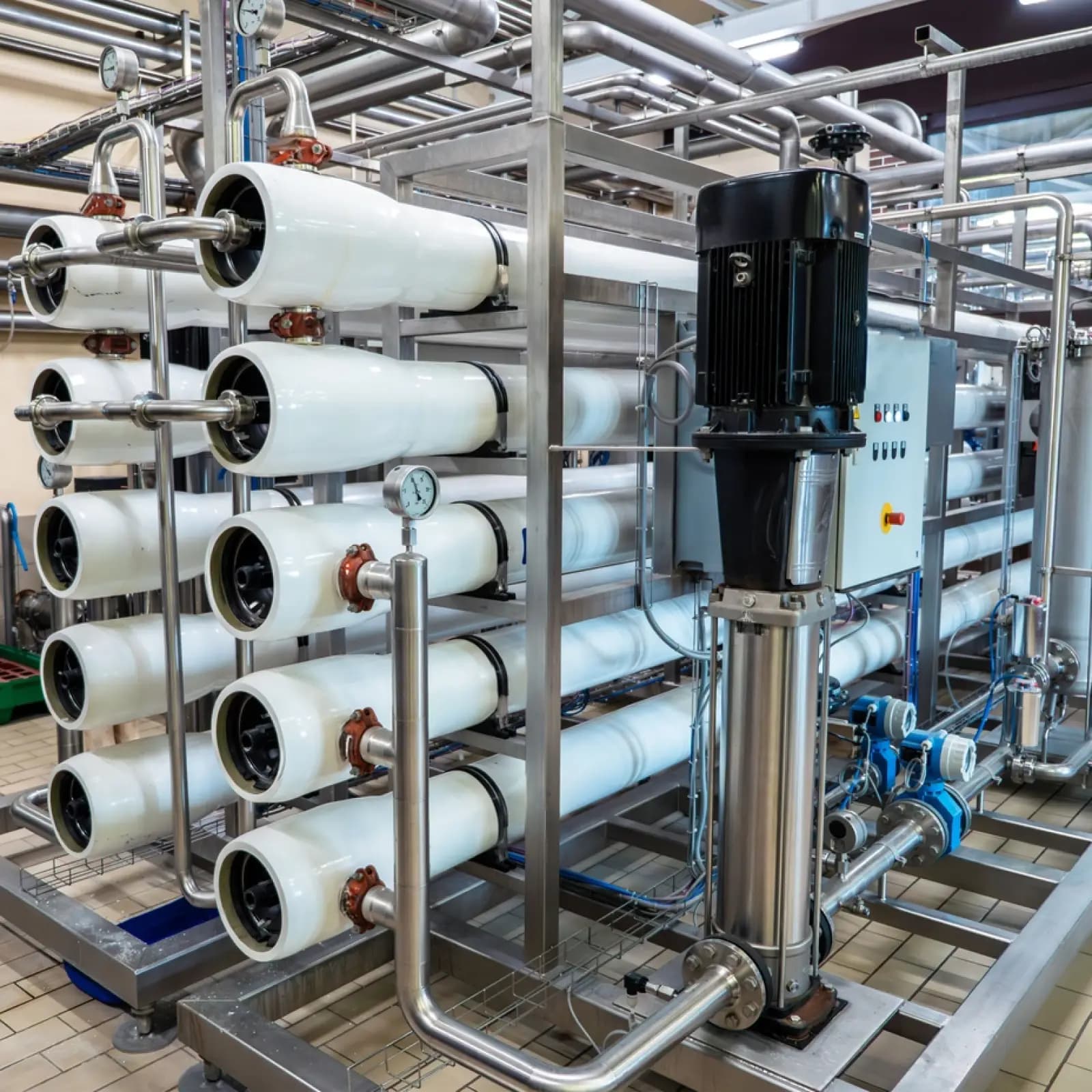
With the rapid industrial expansion and the increasing demand for clean water, water treatment plants have become essential systems for factories, companies, and residential use. These plants rely on advanced technologies to remove impurities, salts, bacteria, and harmful substances from water, ensuring high-quality water suitable for various applications.
Water treatment plants are integrated systems designed to purify and improve water quality through multiple treatment stages and technologies, depending on the type of water being processed, such as:
Drinking water
Well water
Industrial water
Recycled wastewater
Salty or high-TDS water
The main goal of these plants is to provide water that meets health and technical standards.
Water treatment plants help in:
Removing impurities and sediments
Eliminating unpleasant odors and taste
Reducing salts and harmful minerals
Killing bacteria and viruses
Protecting equipment and production lines from scaling and damage
Improving water quality for industrial and food processing applications
They are widely used in factories, hospitals, hotels, restaurants, and food & beverage industries.
The treatment process may vary depending on the plant type, but it usually includes:
Removes sand, dirt, and large particles using sediment filters.
Eliminates chlorine, odors, organic compounds, and unwanted taste.
Reverse Osmosis (RO) systems are used to reduce dissolved salts and heavy metals.
Water is disinfected using UV systems, ozone, or chlorine to eliminate bacteria and viruses.
Used for removing dissolved salts and minerals and considered one of the most common water treatment systems.
Designed to convert salty water into fresh water suitable for drinking or industrial use.
Used in factories to supply water that meets production requirements.
Specialized in removing iron, manganese, turbidity, and excess salts from well water.
Choosing the right system depends on several factors:
Water analysis results
Daily water consumption
Type of application (residential, commercial, or industrial)
Available installation space
Quality of components and after-sales support
It is always recommended to perform a complete water analysis before selecting or designing a treatment system.
Regular maintenance is essential to maintain system efficiency, including:
Replacing filter cartridges on schedule
Monitoring operating pressure
Cleaning membranes and filters
Testing water quality periodically
Checking pumps and connections
Neglecting maintenance may reduce water quality and shorten the lifespan of the system.
Investing in a high-quality water treatment plant helps:
Reduce operational costs and equipment failures
Improve production efficiency
Protect users’ health
Save and recycle water efficiently
Water treatment plants have become an essential part of modern life and industrial operations due to the growing need for clean and safe water. Choosing the right system along with regular maintenance ensures long-term performance and stable water quality.